Candle Light Christmas Decoration: A Designer’s Review
As an embroidery designer who has spent years digitizing patterns and testing them on everything from delicate baby onesies to heavy canvas tote bags, I approach every new machine embroidery design with a critical eye. It is not just about whether the image looks pretty on a screen; it is about how those stitches behave under the needle, how they drape on fabric, and ultimately, how they translate into a tangible handmade product. Recently, I had the opportunity to evaluate the Candle Light Christmas Decoration, a piece categorized under Illustrations, and I want to share my practical insights for fellow crafters, Etsy sellers, and small business owners considering this for their holiday lineup.
First Impressions: Mood and Visual Personality
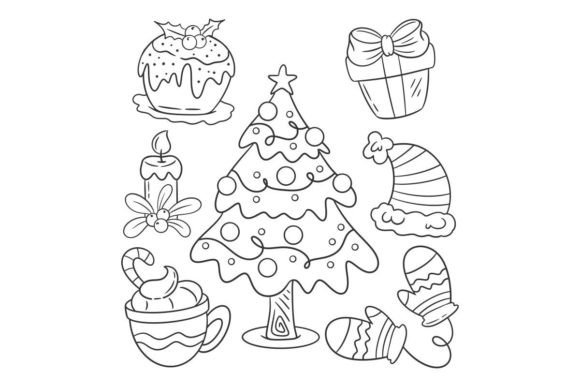
The first thing that strikes you about the Candle Light Christmas Decoration is its warmth. In a season often saturated with bright reds and aggressive greens, this design leans into a softer, more nostalgic aesthetic. The layout suggests a classic candle motif, likely surrounded by subtle seasonal elements like holly, pine, or perhaps a gentle glow effect rendered in thread. For a designer, this mood is crucial. It does not scream for attention; instead, it invites a closer look. This visual personality makes it exceptionally versatile. It feels at home on rustic decor items as much as it does on modern, minimalist apparel.
When I loaded the digital embroidery file into my software to inspect the stitch paths, I was looking for clarity. Illustrations can sometimes suffer from overly complex shading that turns into a muddy mess when stitched out. However, this design appears to balance detail with stitchability. The lines seem clean, suggesting a thoughtful mix of satin stitch for borders and fill stitch for broader areas, ensuring that the final image retains its definition without becoming too dense or stiff.
Real-World Application: From Screen to Stitch
To truly understand the value of this design, I imagined a specific real-life scenario. Picture a local boutique owner preparing for a winter craft fair. They want to offer a line of premium tote bag design options that feel elevated rather than generic. Using the Candle Light Christmas Decoration on a natural linen or heavy cotton canvas tote creates an immediate sense of quality. The warm tones of the candle imagery contrast beautifully against neutral fabrics, making the embroidered patch or direct stitch work the focal point.
Beyond totes, consider sweatshirt embroidery. A crewneck sweatshirt in heather grey or deep navy provides an excellent backdrop for this illustration. Because the design evokes a cozy, hygge atmosphere, it appeals directly to customers looking for comfortable, festive wear that they can keep beyond December 25th. It is not just a holiday shirt; it is a winter staple. For custom apparel businesses, this versatility is a major selling point. You are not limited to one niche; you can market it as holiday decor, winter fashion, or even a comforting gift for someone going through a tough time.
I also see strong potential in baby embroidery projects. Imagine this design scaled down slightly for a muslin swaddle or a knit cap. The soft, glowing theme aligns perfectly with nursery aesthetics. However, this requires careful attention to stitch density. Babies have sensitive skin, so ensuring the back of the stitching is smooth and not abrasive is paramount. If the design uses heavy fill stitches, a high-quality cut-away stabilizer is non-negotiable to prevent puckering and maintain comfort.
Navigating Technical Challenges and Fabric Choices
While the Candle Light Christmas Decoration is visually appealing, practical application requires awareness of its limitations. Not every fabric is a friend to detailed illustrations. If you are planning to stitch this on thin or stretchy fabrics, such as lightweight jersey or silk, you must proceed with caution. The weight of the threads can cause distortion. In these cases, using a tear-away stabilizer for woven fabrics or a cut-away for knits is essential. Always test on scrap fabric first. I cannot stress this enough: what looks perfect in a printable mockup may pucker or pull in real life if the tension is off.
Another consideration is the hoop size. Ensure that your machine’s hoop accommodates the full dimensions of the design without needing to re-hoop, which can lead to alignment issues. If the design includes tiny details or fine lettering, check the resolution. Small elements can get lost if the thread colors do not provide enough contrast. For instance, stitching a light gold candle flame on a cream background might look elegant in theory but disappear in practice. I recommend testing the design in black and white mockups first to verify that the contrast holds up. If the details vanish in grayscale, they will likely struggle in thread.
Curved surfaces, like caps or hats, present another challenge. The Candle Light Christmas Decoration might need adjustment if applied to a structured cap. The curvature can distort wide designs, so it is best suited for flat panels or larger beanies where the fabric lies relatively flat. For holiday embroidery on kitchen towels or aprons, the design shines, provided you use a stable woven cotton that can handle the stitch count without warping.
Enhancing Brand Value and Customer Trust
For small shop product creators and craft business owners, the choice of design assets directly impacts brand perception. Using a well-digitized, professional-looking illustration like this signals quality. It shows that you care about the finish of your finished product. Customers can tell the difference between a cheap, pixelated transfer and a crisp, cleanly stitched embroidery. This distinction builds trust and encourages repeat business.
Moreover, this design supports strong brand consistency if your shop focuses on cozy, traditional, or artisanal goods. It fits seamlessly into a collection that values warmth and heritage. When listing items on Etsy or other platforms, high-quality photos of the stitched result are vital. Show the texture of the threads, the lay of the fabric, and the context of the item being used. A personalized gift featuring this candle motif becomes more than just an object; it becomes a memory.
Practical Notes for the Embroidery Designer
Before you commit to producing a large batch of items or listing this as a new product, take these practical steps:
- Check Licensing: Confirm whether the embroidery file license allows for commercial use. Some designers permit personal use only, while others allow unlimited sales of finished physical items. Never assume; always read the terms.
- Thread Selection: Choose high-quality rayon or polyester threads that match the intended mood. Metallic threads can add a nice shimmer to the candle flame but can be tricky to stitch. Test your tension settings specifically for metallics if you choose to use them.
- Stabilizer Match: Pair the stabilizer with the fabric, not just the design. A heavy denim needs different support than a lightweight linen.
- Inspect Details: Zoom in on the digitized file. Look for unnecessary jump stitches or overlapping colors that could bulk up the design. Clean up any minor errors in your software before stitching.
- Wash Testing: If you are selling wearable items like custom apparel, wash and dry a test sample. Ensure the threads do not bleed and the fabric does not shrink excessively around the embroidery.
In conclusion, the Candle Light Christmas Decoration is a strong contender for your holiday design assets. It offers a blend of aesthetic charm and practical versatility that can elevate a range of products, from embroidered patches to home decor. By approaching it with a designer’s mindset—focusing on fabric compatibility, stitch quality, and brand alignment—you can create pieces that resonate with customers and stand the test of time. Happy stitching.