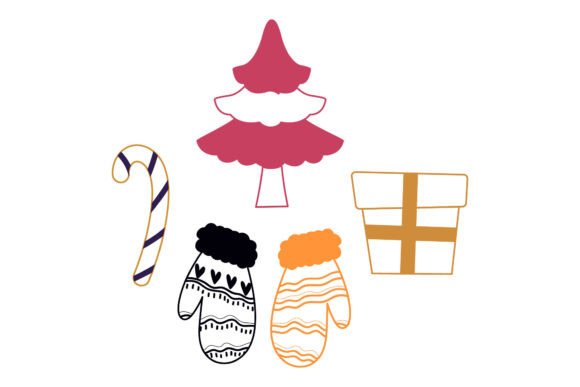
Christmas Ornament Unique: A Designer's Review for Holiday Stitching
As we approach the peak season for holiday crafting, my design queue is filling up with requests for festive items that stand out from the generic big-box store offerings. Clients are looking for something with character, a piece of art that feels handmade and intentional. Recently, I took a close look at the Christmas Ornament Unique design to see if it holds up under the scrutiny of real-world production. This isn't just about whether the file opens correctly; it is about how this illustration translates into thread, how it behaves on different fabrics, and whether it can carry the weight of a commercial product line.
First Impressions and Visual Personality
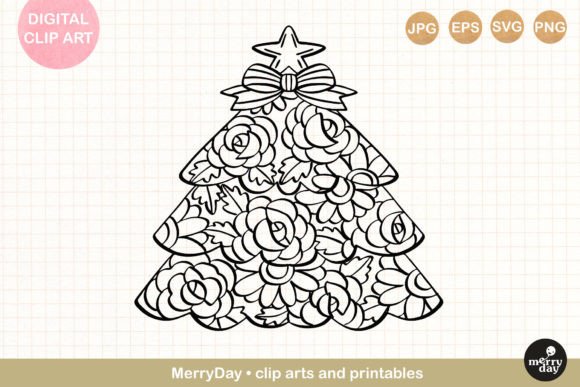
When I first loaded the preview of Christmas Ornament Unique, the immediate takeaway was its charming, illustrative quality. Unlike many holiday designs that rely on blocky, pixelated fills or overly complex gradients that disappear once stitched, this piece maintains a clean, deliberate structure. The layout suggests a balance between whimsical detail and structural integrity, which is crucial for a machine embroidery design intended for small-scale applications like ornaments or patches.
The mood it creates is nostalgic yet modern. It avoids the cluttered look of vintage clipart while steering clear of sterile minimalism. For an Etsy seller or boutique owner, this visual personality is gold. It signals to the buyer that care went into the selection of the design assets. The shape is distinct enough to be recognizable even from a distance, which is vital for products like tote bags or sweatshirts where the design needs to pop against a textured background.
Real-World Application: The Holiday Tote Scenario
To truly evaluate this file, I imagined a specific project: a custom embroidered canvas tote bag for a local coffee shop's holiday merchandise run. The goal was to create a limited-edition handmade product that customers would want to reuse year after year. Placing Christmas Ornament Unique in the center of a natural cotton canvas tote presents specific challenges. Canvas has a loose weave, and without proper stabilization, fine details can get lost or cause puckering.
In this scenario, the design's line work shines. If the file utilizes a mix of satin stitch for outlines and strategic fill stitch areas, it should lay flat without creating a stiff, cardboard-like feel on the fabric. A common mistake with holiday illustrations is over-digitizing, resulting in a design that is too dense. If Christmas Ornament Unique maintains moderate stitch density, it will drape well on the tote, preserving the softness of the bag while providing high visual contrast. For a small shop product, this balance between durability and aesthetics is what drives repeat customers.
Versatility Across Product Lines
Beyond totes, this design shows promise for a variety of custom apparel and home goods. Imagine it scaled down for a set of kitchen tea towels or a cozy flannel pillow cover. The illustrative nature of the category fits perfectly with the "farmhouse chic" aesthetic that remains popular in home decor. For baby embroidery projects, such as a holiday onesie or a burp cloth, the design would need to be checked for tiny, loose threads that could pose a safety hazard, but assuming the digitizing is tight, it makes for an adorable personalized gift.
I also see potential for embroidered patch creation. If the outer edges of the design are clean and closed, it could easily be turned into an iron-on or sew-on patch for denim jackets or beanies. This expands the utility of the digital embroidery file beyond direct stitching, allowing crafters to create inventory for craft fairs without committing to stitching every single item individually. For commercial embroidery shops, offering this design as an add-on to corporate holiday gifts could increase average order value significantly.
Technical Considerations and Fabric Challenges
While the aesthetic appeal is strong, a professional reviewer must address the technical limitations. Not every fabric is a suitable canvas for every design. With Christmas Ornament Unique, caution is advised when working with stretchy knits or textured fleece. If the design features long runs of satin stitching without adequate underlay, it may shift or pucker on a sweatshirt. Always test on scrap fabric first. This is non-negotiable for maintaining brand consistency and professionalism.
Dark fabrics present another variable. If the original illustration relies on light colors against a white background, stitching it directly onto navy or black fabric might require a layer of white underlay or a change in the thread colors to ensure visibility. I recommend creating black and white mockups before cutting into expensive material. This simple step helps visualize contrast and ensures the finished product looks crisp. Additionally, curved surfaces like caps require careful hooping. If the design has intricate corners or tiny lettering elements, these areas might distort on a curved brim unless the hoop size and stabilizer choice are optimized for the curve.
Maximizing Value and Customer Trust
The ultimate test of any design is how it affects the perceived value of the item it adorns. A well-executed embroidery job builds customer trust. When a client receives a holiday gift featuring Christmas Ornament Unique that is neatly stitched, free of jumps, and properly stabilized, they associate that quality with your brand. Conversely, a design that frays or puckers after one wash can damage a reputation instantly. Therefore, inspecting small details and confirming the integrity of the stitch path is essential before listing items in your online store.
For those creating printable mockups for digital listings, this design offers excellent versatility. Its clear shapes translate well into photography, making it easier to market on social media platforms where visual appeal drives engagement. However, remember that a mockup is not a substitute for a physical sample. Buyers appreciate transparency, and showing real photos of the stitched design on various textures can boost conversion rates.
Final Designer Notes and Best Practices
Before integrating Christmas Ornament Unique into your workflow, take a moment to review the technical specifications provided by the creator. Since exact stitch counts and file formats vary, verify that the file type matches your machine's requirements. Check the recommended hoop size to ensure it fits your equipment, especially if you are working with smaller hoops for detailed accent pieces.
- Stabilizer Selection: Match your stabilizer to the fabric weight. Use cut-away for stretchy garments and tear-away for stable wovens like cotton twill.
- Thread Contrast: Experiment with variegated threads for a unique look, but ensure the color shifts do not obscure the design's defining lines.
- Licensing Verification: Always confirm the license terms. Whether you are an Etsy seller or a large-scale decorator, understanding if the file allows for commercial use of the finished product is critical to avoiding legal issues.
- Wash Testing: If the end product requires frequent washing, such as an apron or baby item, wash your test sample multiple times to check for thread breakage or fading.
In conclusion, Christmas Ornament Unique appears to be a versatile and visually engaging option for the upcoming holiday season. Its strength lies in its illustrative charm and adaptability across various craft business niches. By approaching it with a critical eye for technical execution and respecting the nuances of different fabrics, designers can leverage this asset to create memorable, high-quality items that resonate with customers. Whether it ends up on a heirloom pillow or a trendy tote, the potential for creating something special is definitely there.