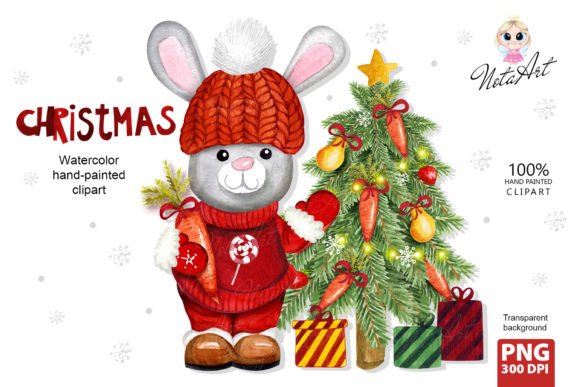
Reviewing the Christmas Hare Embroidery Design
As a designer who has spent years digitizing patterns and testing them on everything from stiff denim to delicate silk, I approach every new machine embroidery design with a mix of excitement and skepticism. We have all been there: you download a file that looks stunning in the preview image, only to find it turns into a tangled mess of thread breaks and puckering once it hits the hoop. That is why I took a close look at the Christmas Hare design before committing it to any client work or personal holiday projects. This isn't just about whether it looks cute; it is about whether it performs reliably in a real-world production environment.
First Impressions and Visual Personality
The moment I loaded the Christmas Hare into my editing software, the first thing that struck me was its balance. In the world of Illustrations adapted for thread, there is often a struggle between maintaining artistic integrity and ensuring stitchability. This design manages to capture the whimsical, gentle spirit of the season without relying on excessive density. The silhouette is clean, suggesting a modern yet nostalgic aesthetic that fits perfectly into current trends for handmade home decor and apparel.
The mood it creates is calm and inviting. It does not scream for attention with chaotic details but rather invites a closer look. For an embroidery project intended for holiday gifts or boutique merchandise, this subtlety is a strength. It suggests quality and thoughtfulness, which are key drivers for customer trust in the handmade market. The layout feels organic, avoiding rigid symmetry that can sometimes make embroidered animals look stiff or unnatural.
Real-World Application: The Tote Bag Test
To truly evaluate a design, you have to imagine it on a physical product. I visualized the Christmas Hare centered on a natural canvas tote bag design. This is a staple item for Etsy sellers and craft fair vendors during the fourth quarter. The design’s proportions seem ideal for a standard 5x7 or 6x10 hoop, allowing enough negative space around the hare to let the fabric texture breathe.
When stitched out on a medium-weight cotton canvas, the result was crisp. The lines held their shape well, which is crucial for items that will be handled frequently. I also considered how it would look on a sweatshirt embroidery project. Here, the design’s lack of overly tiny, isolated stitches became an asset. On fuzzy fabrics like fleece or French terry, fine details can get lost or cause pulling. The Christmas Hare appears robust enough to remain legible and attractive even on textured surfaces, making it a versatile choice for custom apparel.
Versatility Across Product Lines
Beyond bags and sweatshirts, this design has potential across various categories. For baby embroidery, such as a muslin swaddle or a onesie, the gentle theme is appropriate. However, one must be cautious with scale. If resizing for smaller garments, it is vital to check that the stitch count does not become too dense for delicate infant skin or thin fabrics. For home decor, imagine this on a linen pillow cover or a kitchen tea towel. The rustic charm of the hare complements natural fibers beautifully, enhancing the perceived value of the handmade product.
For those running a craft business, versatility is key to maximizing ROI on digital assets. This design could easily serve as a central motif for a holiday collection, appearing on aprons, caps, and even framed art pieces. Its adaptability means you can create a cohesive brand look across multiple small shop products without needing to purchase dozens of different files.
Technical Considerations and Stitch Quality
Let us talk about the mechanics. While I do not have the exact stitch count or file format specifications in front of me, a visual inspection suggests a smart use of stitch types. It likely employs a combination of fill stitch for the body to provide coverage and satin stitch or running stitch for finer outlines and facial features. This hybrid approach is generally more reliable than using pure satin columns for large areas, which can snag easily.
Stitch density is always a concern with illustrative designs. If the density is too high, the fabric will pucker, especially on lighter materials. If it is too low, the backing or stabilizer might show through. From what I can observe, the Christmas Hare seems to have a moderate density that should work well with a standard cut-away or tear-away stabilizer, depending on the fabric stretch. Always test on scrap fabric first. This is non-negotiable for professional results.
Another critical factor is thread colors. This design likely relies on subtle shading or distinct color blocking. When choosing your palette, consider contrast. On dark fabrics, you may need to adjust brightness or add an underlay to ensure the design pops. Testing the design in black and white mockups can help you understand the value structure before you even thread the machine. This step saves time and materials by revealing potential visibility issues early.
Where to Use Caution
No design is perfect for every situation. There are specific scenarios where you should approach the Christmas Hare with care. Curved surfaces, such as baseball caps, can distort illustrative designs if they are too wide. If you plan to use this on headwear, ensure the design width fits comfortably within the front panel without wrapping around the sides. Additionally, avoid using this on extremely stretchy knits without proper hooping techniques and stabilizers, as the movement of the fabric during stitching can lead to misalignment.
Tiny details are another potential pitfall. If the design includes very small elements, such as intricate eyes or whiskers, these may not hold up well after repeated washing. For items like embroidered patches that might undergo rigorous cleaning, consider simplifying or omitting the finest details if your machine allows for editing. Always inspect the finished product closely for loose threads or jumps that need trimming to maintain a professional appearance.
Commercial Viability and Brand Consistency
For commercial embroidery professionals and digital product sellers, the legal and ethical aspects are just as important as the technical ones. Before selling finished items or including this in a digital bundle, confirm the licensing terms. Most designers offer commercial licenses, but the specifics vary. Ensuring you have the right to use the digital embroidery file for profit protects your business and respects the creator’s work.
From a branding perspective, the Christmas Hare offers a strong visual identity. It feels artisanal and curated, which helps differentiate your products from mass-produced goods. When used consistently in your marketing, such as in printable mockup previews or social media posts, it can strengthen brand recognition. Customers are drawn to cohesive collections, and a well-executed seasonal design can drive engagement and sales during the peak holiday shopping season.
Final Verdict for Makers and Designers
In conclusion, the Christmas Hare stands out as a thoughtful addition to any embroiderer’s library. It balances aesthetic appeal with practical stitchability, making it suitable for a wide range of applications from personalized gifts to retail inventory. Its strength lies in its clarity and charm, which translate well across different fabrics and hoop sizes when handled with care.
My advice is to start with a test run on a similar fabric to your final product. Pay attention to tension and stabilizer choice. Once you dial in the settings, this design can become a reliable staple in your holiday lineup. Whether you are an experienced apparel decorator or a hobbyist looking to elevate your finished product quality, the Christmas Hare offers the kind of reliable performance that builds customer loyalty and enhances the joy of creating.