Reviewing Christmas Printable Graphics Pack 17 for Stitchers
As a designer who spends more time staring at stitch simulations than actual holiday decorations, I approach new assets with a critical eye. When I first opened Christmas Printable Graphics Pack 17, my immediate thought wasn't just about how it looks on a screen, but how it will translate into thread. This collection falls under the category of Illustrations, which often presents a unique challenge for us in the embroidery world. Illustrative styles can be incredibly charming, but they sometimes rely on gradients or fine lines that don't always play nice with a needle and bobbin. However, after reviewing the visual personality of this pack, I see genuine potential for creating high-value handmade products.
The Visual Mood and Design Personality
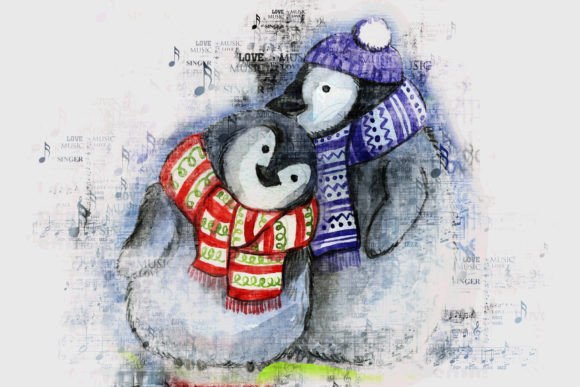
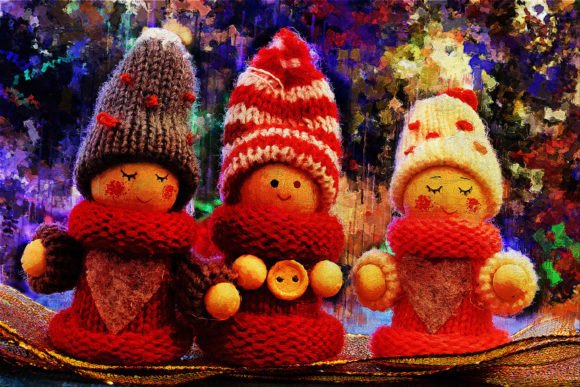
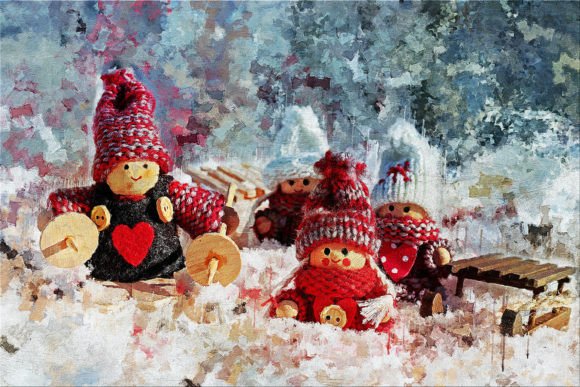
The first thing that strikes me about Christmas Printable Graphics Pack 17 is its cohesive mood. It avoids the overly cluttered, chaotic vibe that plagues many seasonal collections. Instead, the shapes feel deliberate, with a layout that suggests a modern yet nostalgic holiday spirit. For an embroidery designer, this is crucial. A design with too much visual noise often results in a stitched product that looks muddy, especially when viewed from a distance. The clarity here suggests that the core elements are strong enough to stand alone, which is a good sign for conversion into a machine embroidery design.
The theme leans heavily into traditional holiday motifs but renders them with a freshness that appeals to contemporary buyers. Whether you are an Etsy seller looking to refresh your winter inventory or a hobbyist making gifts for family, the aesthetic fits well within current trends. The visual personality is friendly and inviting, making it an excellent candidate for items meant to evoke warmth, such as kitchen textiles or cozy apparel.
Real-World Application: The Holiday Tote Scenario
To truly evaluate Christmas Printable Graphics Pack 17, I imagined a specific real-life scenario: preparing a custom order for a local boutique needing fifty embroidered tote bags for a holiday market. In this context, the design needs to be robust. Tote bags are workhorses; they get tossed in cars, stuffed with groceries, and washed frequently. Using an illustration from this pack, I would likely focus on the bolder elements to create a striking tote bag design.
If I were digitizing one of these illustrations myself, or if the pack includes ready-to-stitch files, I would prioritize clean fill stitch areas for the main shapes to ensure durability. The way the graphics are composed suggests they would look fantastic on canvas or heavy cotton twill. The customer reaction to such a product would likely be positive because the design feels intentional rather than generic. It elevates a simple bag into a small shop product that feels curated and special.
Beyond totes, I can easily see these graphics working on sweatshirt embroidery. A large, centered graphic on a crewneck sweatshirt is a staple of holiday fashion. The illustrative nature of Christmas Printable Graphics Pack 17 allows for a "vintage poster" look when executed with the right thread choices. For baby embroidery, scaling down the softer elements could create adorable onesies or bibs, provided the details are simplified enough to prevent thread breaks on small hoops.
Navigating Technical Challenges in Stitching
While the visuals are promising, we must discuss where caution is needed. Illustrations often contain fine details that can vanish when stitched. If you are working with Christmas Printable Graphics Pack 17 on textured fabrics like waffle knit towels or fuzzy fleece, some of the finer lines might get lost. In these cases, increasing the stitch width or opting for a satin stitch border around key elements can help define the shape against the fabric texture.
Another consideration is the hoop size. Some of the compositions in this pack might be wide or tall, requiring you to check if your machine's maximum hoop can accommodate the full design without re-hooping. Re-hooping introduces alignment risks, so for a professional finished product, it is always better to fit the design in a single hoop if possible. Additionally, when working on curved surfaces like caps, the illustrative details need to be carefully mapped. Dense areas in the center of a cap can cause puckering, so managing stitch density is vital.
Dark fabrics present another hurdle. Since these are illustrations, they may rely on light colors that won't pop against navy or black garments without an underlay. A proper white or light-colored underlay is non-negotiable here to maintain the vibrancy of the thread colors and ensure the design doesn't look dull.
Impact on Brand and Customer Perception
Using a cohesive set like Christmas Printable Graphics Pack 17 can significantly boost your brand consistency. If you are a craft business owner, releasing a coordinated line of products—say, a matching set of aprons, oven mitts, and tea towels—creates a stronger visual identity than selling random, disconnected items. Customers trust brands that appear thoughtful and organized. The professional look of these graphics translates into perceived value, allowing you to price your handmade product higher than a basic, clip-art style item.
For commercial embroidery clients, presenting a mockup using these designs shows professionalism. Even if the final output is stitched, starting with a high-quality printable mockup helps the client visualize the end result. It bridges the gap between digital concept and physical reality, building confidence in your ability to deliver.
Practical Notes for the Embroidery Designer
Before you commit to stitching a full production run, there are several steps you should take. First, always test the design on scrap fabric that matches your final material. This is the only way to truly gauge how the stabilizer interacts with the fabric and whether the tension is correct. Check the contrast of your thread colors; sometimes what looks good on screen clashes in real life.
Review the stitch density carefully. If the design feels too stiff after stitching, you may need to adjust the fill patterns or reduce the density in your digitizing software. Inspect small details closely; tiny lettering or intricate corners might need to be thickened or removed entirely to prevent bird-nesting. It is also wise to test the design in black and white mockups to ensure the value structure holds up without relying on color.
Finally, verify the licensing terms. While Christmas Printable Graphics Pack 17 offers great potential for design assets, you must confirm whether the license allows for commercial use of the stitched items or if it is limited to personal projects. Never assume; always read the fine print before selling personalized gift items or digital embroidery file adaptations.
In conclusion, this pack offers a solid foundation for holiday creativity. With careful attention to technical execution and material selection, it can transform simple fabrics into cherished holiday keepsakes.